The build blog
Practical guides, cost breakdowns, and expert tips for UK homeowners planning a construction project.
Complete guides

UK Building Regulations: Key Measurements Every Homeowner Should Know
The numbers on one page: 0.45m foundations, DPC 150mm above ground, 2m stair headroom, 0.18 W/m²K on an extension wall, each with its Approved Document anchor.
Read guide
How to Check Your Builder's Work: The Homeowner's Quality Guide
Check each stage while it is still visible: DPC at 150mm, foul drains at 1:40 or 1:80, the Part P certificate within 30 days. Ten stages and what to look at.
Read guide
How to Check a Builder Is Legitimate in Ten Minutes
Companies House, Gas Safe, NICEIC or NAPIT, FENSA or CERTASS, TrustMark, FMB, insurance and reviews: the exact checks to run, in order, before you say yes.
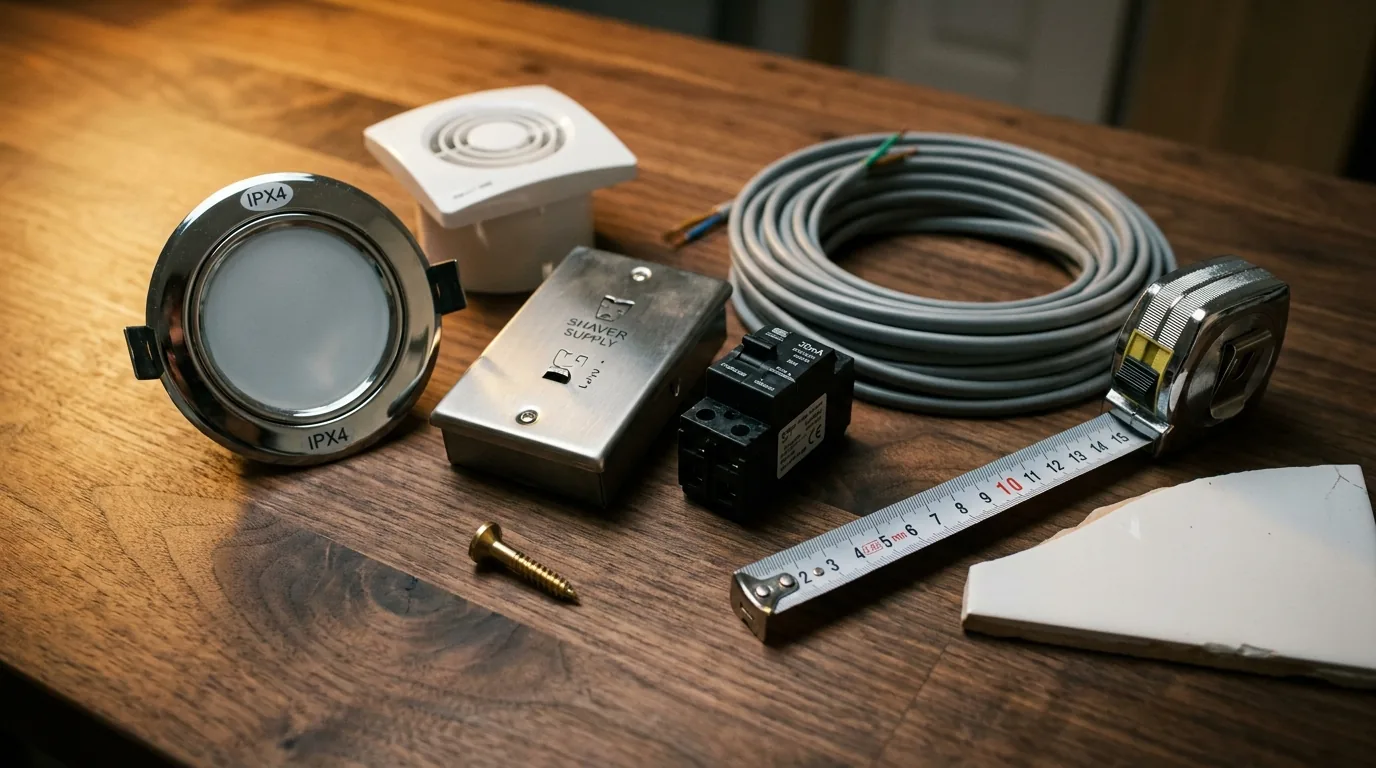
Bathroom Electrical Zones Explained: Zone 0, 1 and 2 (UK)
Zone 0 is inside the bath, Zone 1 rises 2.25m above it, Zone 2 runs 0.6m beyond. IPX7, IPX4 and 30mA RCD rules, and what Part P makes notifiable.
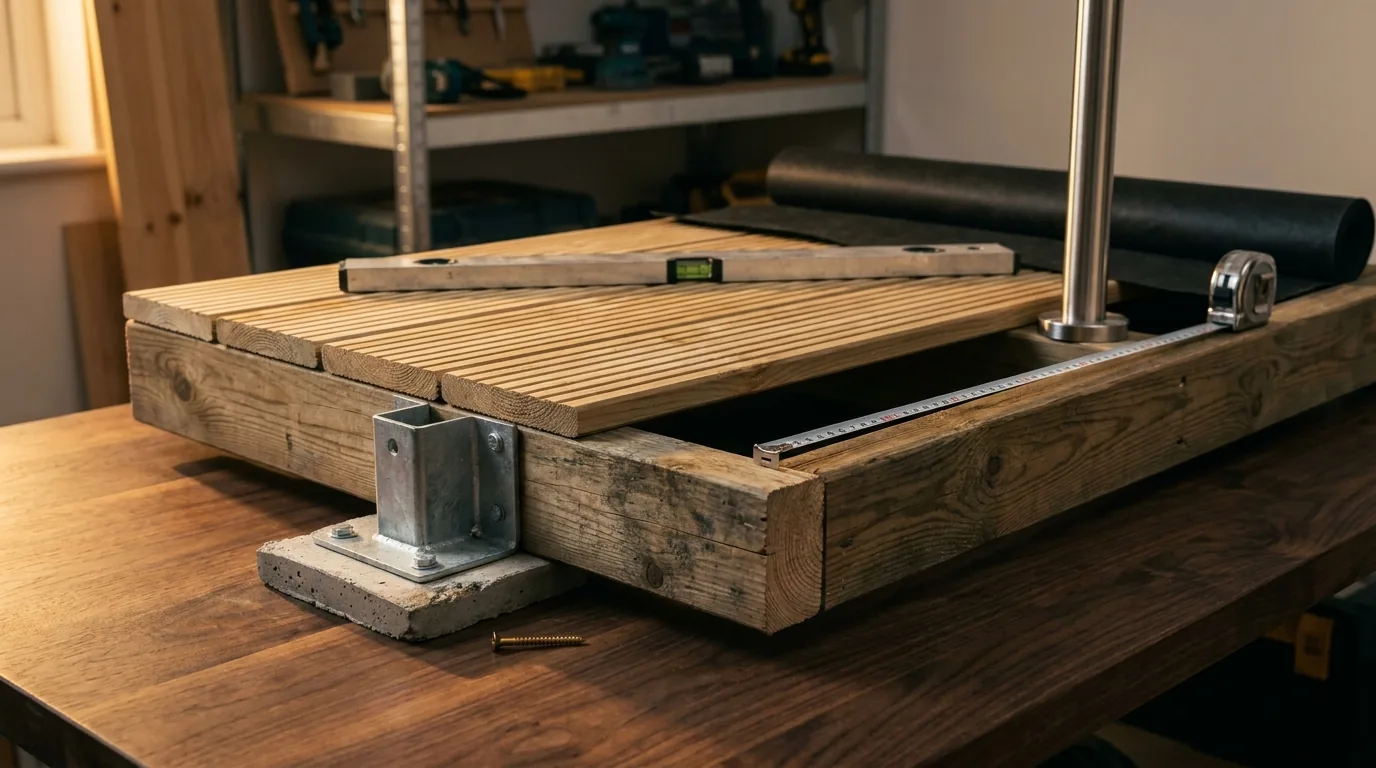
Decking Rules UK: The 300mm, 600mm and 50% Limits Explained
In England a deck stays permitted development if it sits no more than 300mm above ground and covers no more than 50% of the garden. Raised decks need guarding.
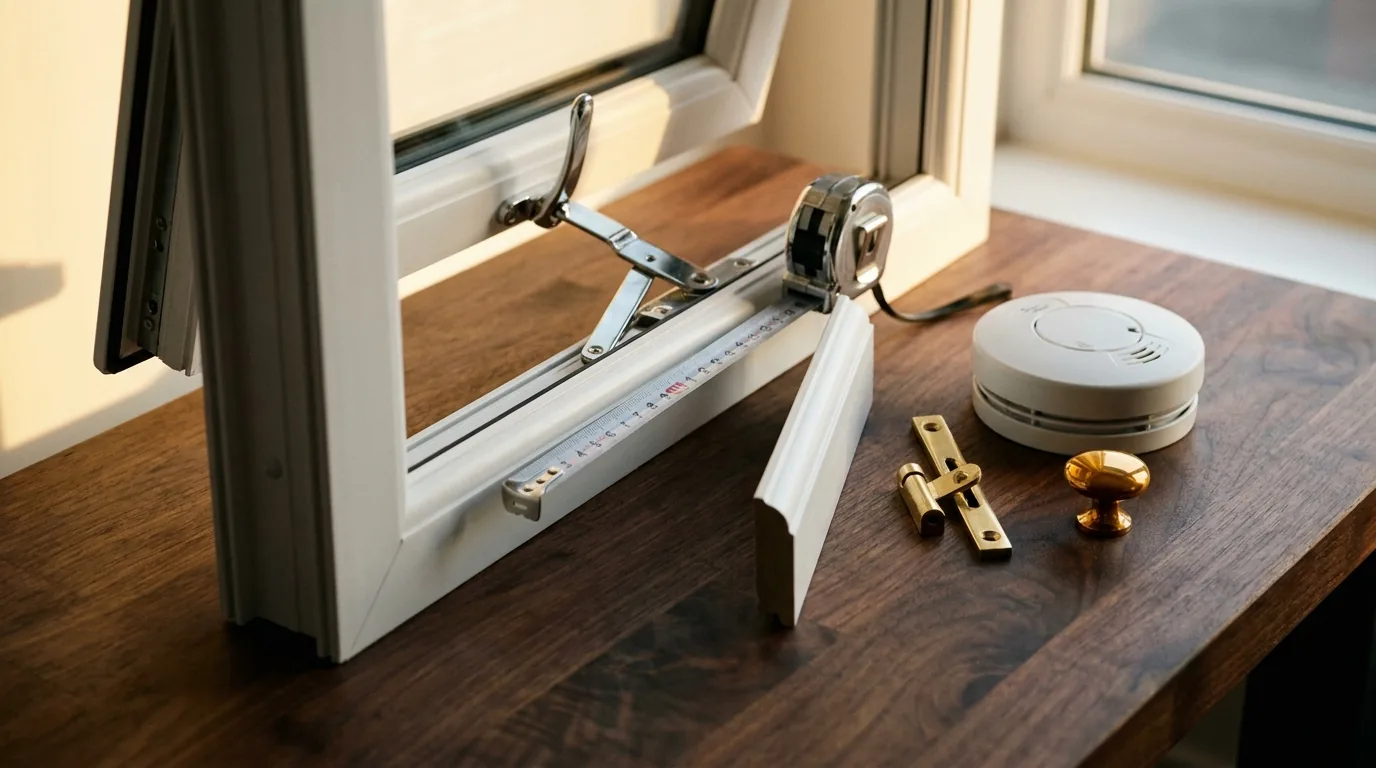
Fire Escape Window Regulations UK: Minimum Egress Window Sizes
In England, egress windows need a clear openable area of at least 0.33m², a minimum 450mm opening, and the bottom of the opening no higher than 1,100mm. See where they are required and how to check your quote.

Does the Future Homes Standard Apply to Extensions?
The Future Homes Standard applies to new homes from 2027, not to extensions. Extensions keep the same U-value targets when the 2026 rules take effect. Here is what actually changes for homeowners and your quote.
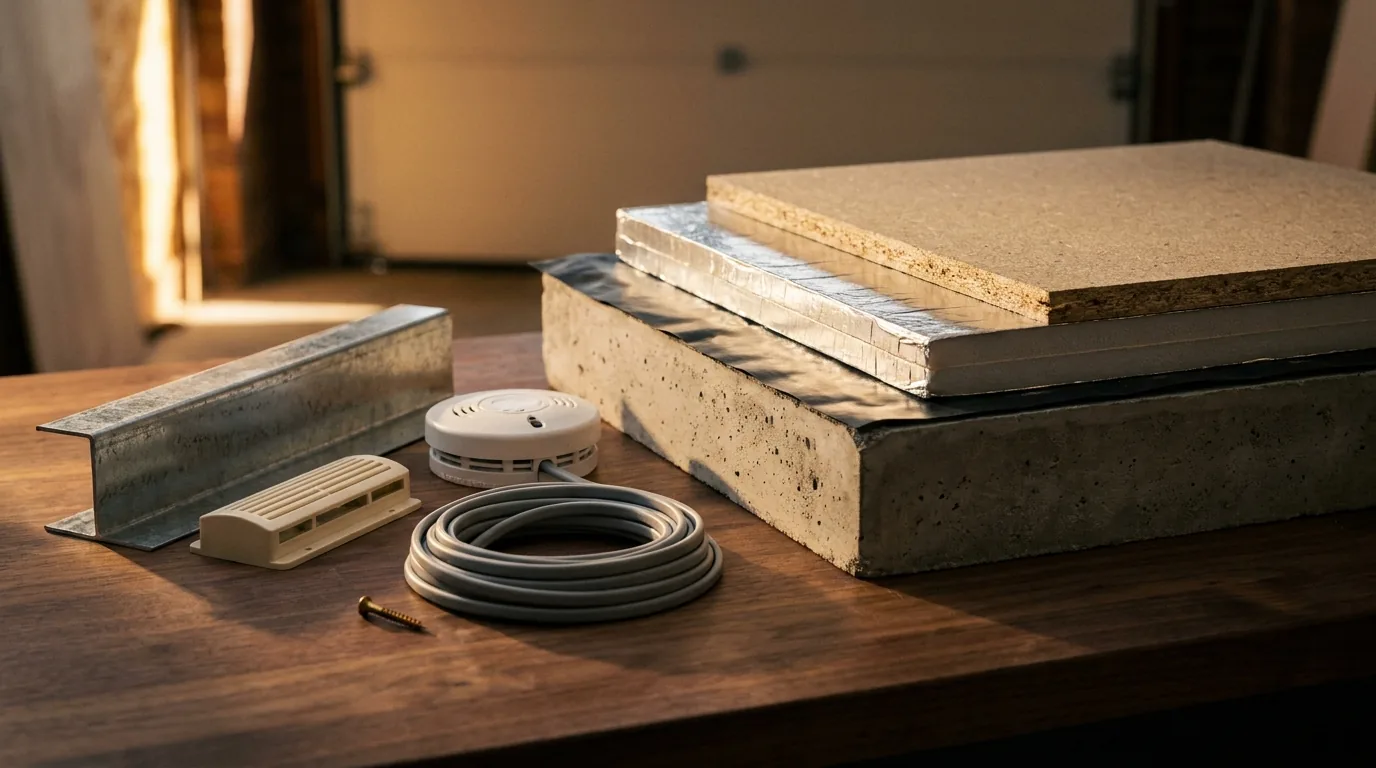
Garage Conversion Building Regulations: The 2026 Approval Checklist
A garage conversion almost always needs building regulations approval, even when planning permission is not required. Here are the parts that apply and what your quote must cover.
Is There Really a Gas Boiler Ban? What 2027 Means for You
There is no ban on replacing your gas boiler. The 2027 rules stop fossil-fuel heating in new homes only. Here is what the gas boiler ban headlines actually mean for existing homes.
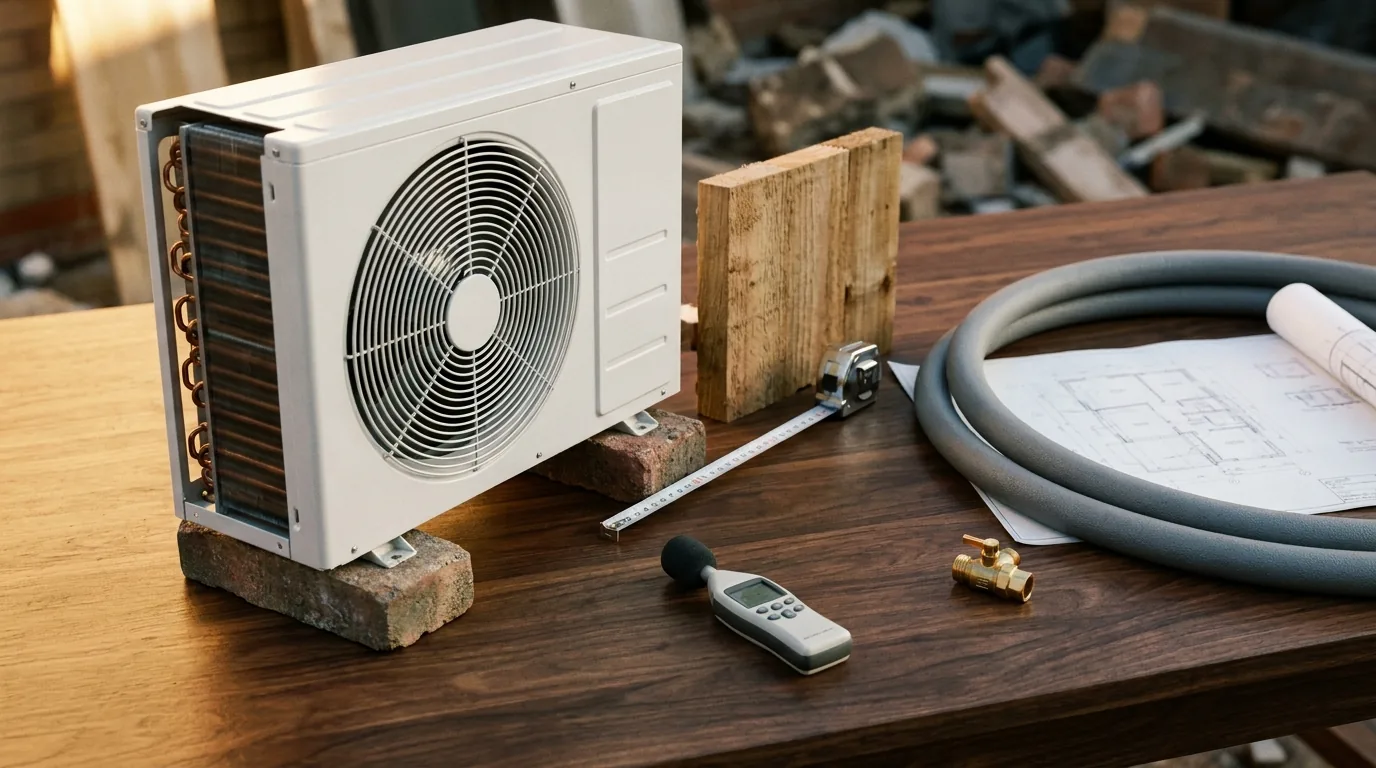
Heat Pump Planning Rules: The 1-Metre Boundary Rule Is Gone
The 1-metre boundary rule for heat pumps was scrapped in 2025. New limits cover unit size, the number of units, and a 37 dB(A) noise test. Here is what you can fit without permission.
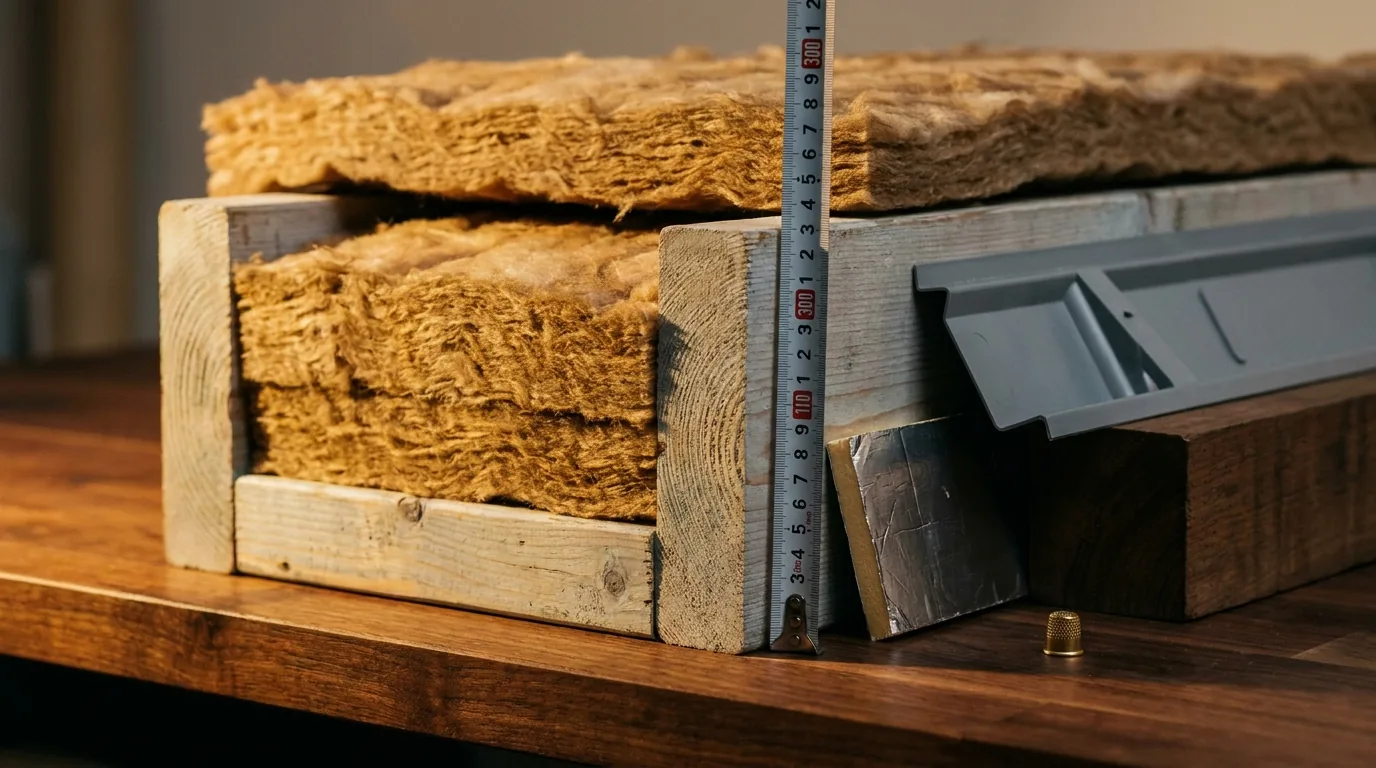
Loft Insulation Depth: Why 270mm Is the UK Building Regs Benchmark
UK building regs expect roughly 270mm of mineral wool loft insulation for a 0.16 U-value. Here is what the depth means, what your quote should specify, and how to check it.
Minimum Ceiling Height UK: What the Rules Actually Require
There is no general minimum in UK building regs. Space standards expect 2.3m, London 2.5m, and stairs need 2m headroom (1.8m at a loft edge). What applies.

Staircase Building Regulations UK: Part K Dimensions Explained
In England a private stair needs a rise of 150mm to 220mm, a going of 220mm to 300mm, a maximum pitch of 42 degrees and 2m headroom. Wales and Scotland differ.

Party Wall Agreements: What UK Homeowners Need to Know (2026)
Everything about party wall agreements for UK extensions and loft conversions. When you need one, surveyor costs, timeline, and how to serve notice to your neighbour.

Do I Need Building Regulations for a Garden Room? The 2026 Rules Explained
15m² or less is exempt. Up to 30m² is exempt if 1m from a boundary or non-combustible. Over 30m², or any sleeping room, needs full approval. What to submit.

Spring Home Maintenance Checklist: What to Inspect After Winter
A spring maintenance checklist for UK homeowners. Catch winter damage to roofs, gutters, walls, and drainage before small problems get expensive.

Building Control vs Approved Inspectors: Which Route to Choose
You can use your local council's building control or a private approved inspector. Here's how they compare on cost, speed, and what to watch out for.
Party Wall Agreement: Costs, Process & Quote Implications
The party wall process is free if your neighbour consents and £700-£2,000+ per neighbour if surveyors are needed, and it takes 2-3 months. When you must serve notice, and how it affects your build.

How Thick Should Cavity Wall Insulation Be? UK Building Regs Explained
Part L sets a U-value, not a thickness: 0.18 W/m²K on an extension wall. In practice, 150mm full-fill mineral wool or 75–100mm PIR plus a 50mm cavity.

Flat Roof U-Values and Insulation: UK Building Regs Explained
Building regs need 0.16 W/m²K on a new flat roof, 0.15 on an extension: about 140–150mm of PIR on a warm roof. Warm vs cold roof, and what fails sign-off.

How to Check Brickwork Quality: A Homeowner's Guide
Learn how to inspect brickwork quality yourself. Mortar joints, wall ties, cavity insulation, DPC, and weep holes explained with building regulations references.

How to Check DPC and Damp Proofing: What Every Homeowner Should Inspect
The DPC should sit at least 150mm above outside ground level, and the 225mm figure is how far the cavity goes below it, not above. What to check, and when.
How to Check Your Electrician's Work: A Homeowner's Guide
How to check electrical work quality yourself. Part P certification, consumer units, RCD protection, cable routes, and smoke alarms with building regulations explained.
How to Check Foundation Work: A Homeowner's Inspection Guide
A plain English guide to inspecting foundation work on your building project. Covers trench depth, concrete spec, soil conditions, and building control stages.

How to Check Plastering Quality: What Good Work Looks Like
How to inspect plastering quality yourself. Flatness tolerances, skim thickness, hollow spots, cracking, and corner beads explained with practical checks.

How to Check Plumbing and Drainage Work Quality
How to inspect plumbing and drainage work yourself. Pipe gradients, drain bedding, unvented cylinders, discharge pipes, and water efficiency with building regulations.

How to Check Roofing Work: What Every Homeowner Should Inspect
How to inspect roofing work quality yourself. Tile alignment, lead flashings, ventilation, insulation, and guttering checks with building regulations explained.
How to Check Structural Steelwork: A Homeowner's Guide to Beams and Supports
Plain English guide to inspecting structural steel beams and supports on your building project. Covers beam specs, bearing lengths, padstones, fire protection, and lintels.
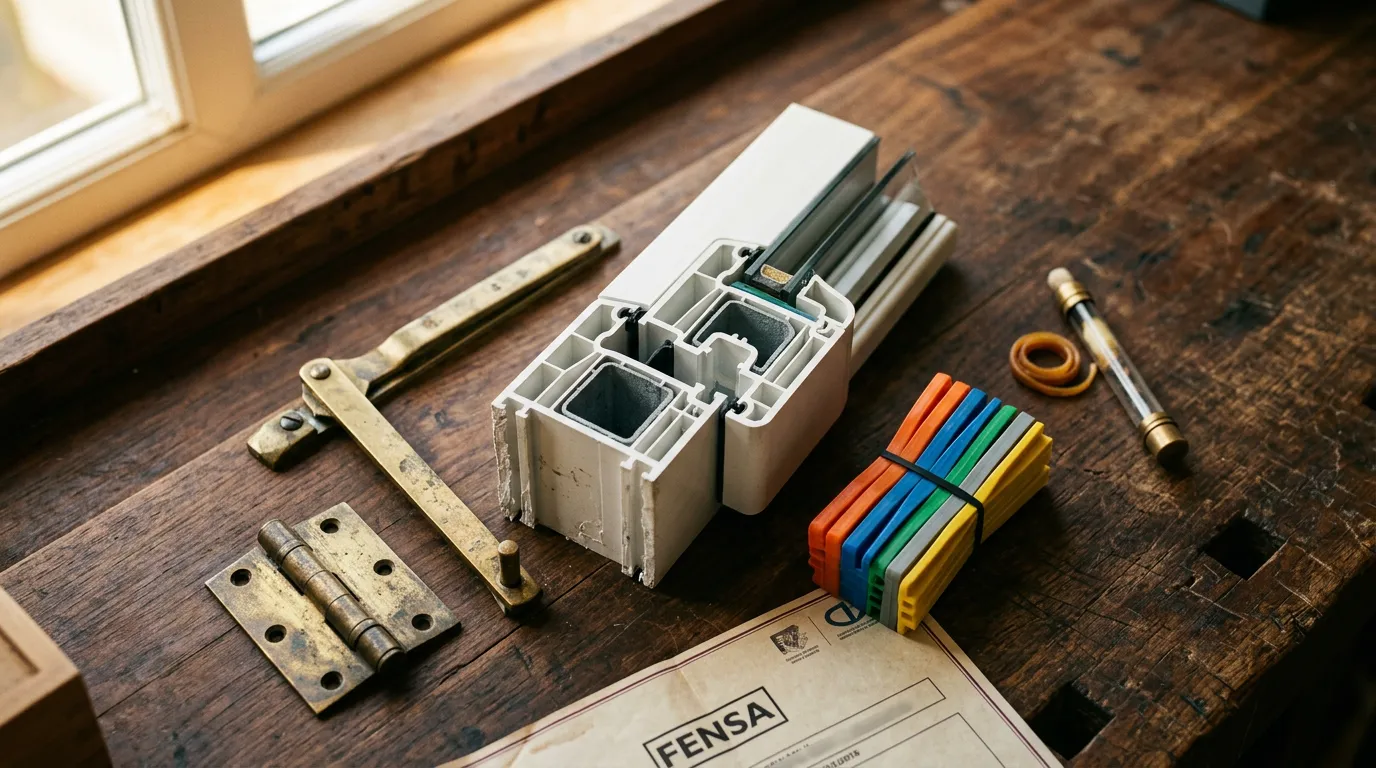
How to Check Window and Door Installation Quality
How to inspect window and door installation yourself. FENSA certificates, trickle vents, U-values, fire doors, and draught seals with building regulations explained.

Loft Conversion Headroom and Staircase Rules: UK Building Regs
Approved Document K sets 1.9m stair headroom for loft conversions, 220mm max rise and 42 degree max pitch. No minimum room height or stair width. Part K and Part B explained.

Minimum Foundation Depth UK: What Building Regulations Require
Building regs set a 450mm minimum, but most UK house and extension foundations go to 900mm–1.5m, and up to 2.5m in clay near trees. What decides yours.

What Should a DPC Look Like? Spotting Damp Proof Course Problems
A DPC is a black polythene strip at least 150mm above ground level. Learn how to spot bridged, missing, or failing damp proof courses on your property.
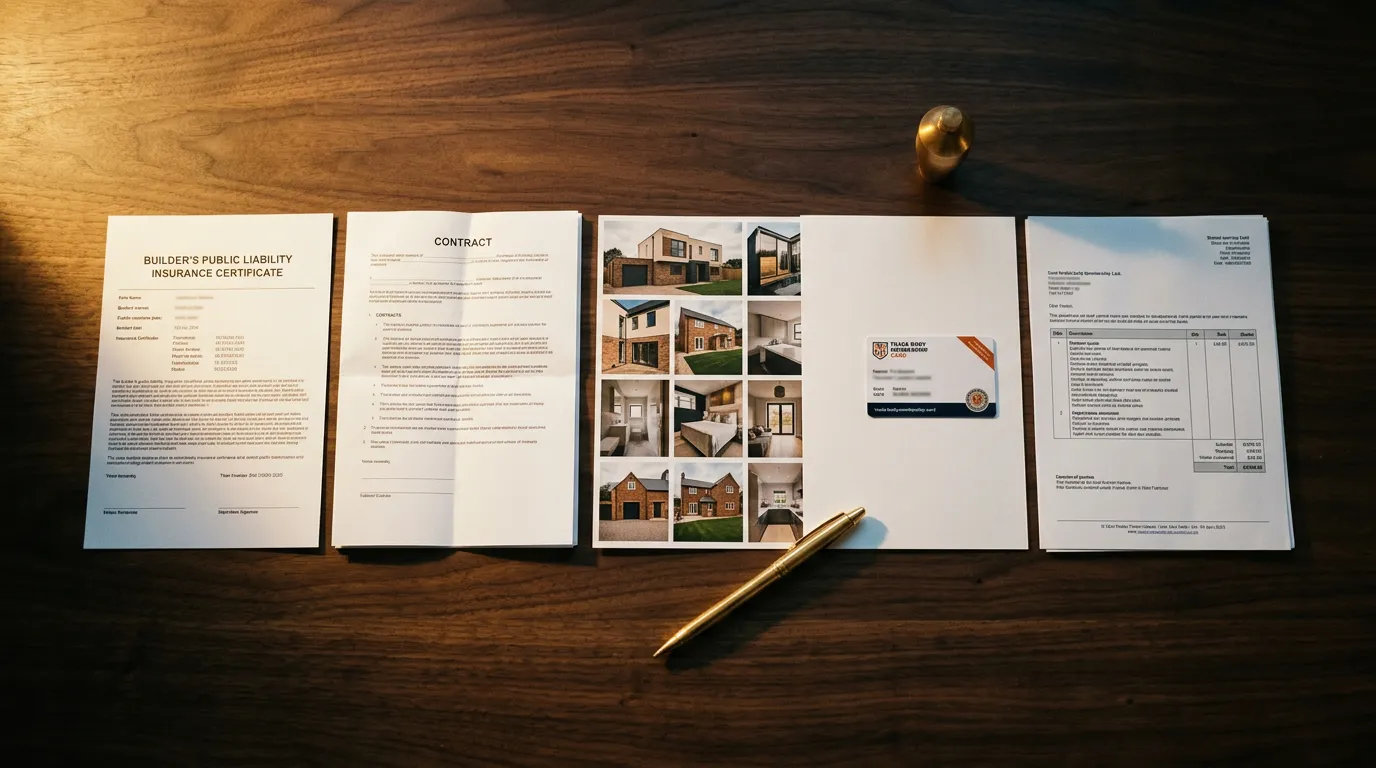
5 Things Every Homeowner Should Check Before Hiring a Builder
A practical checklist for vetting builders in the UK - from insurance and references to spotting red flags in quotes. Don't sign until you've checked these five.
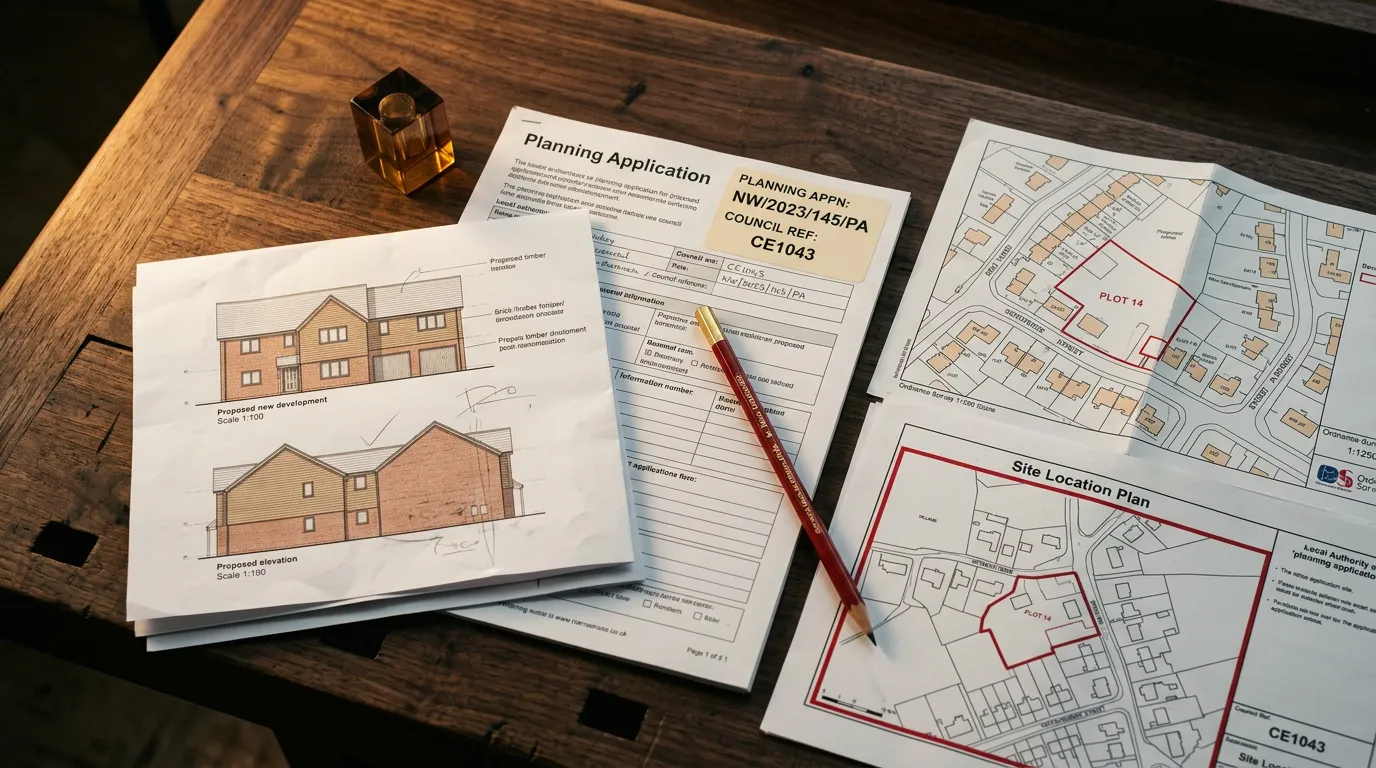
Planning Permission in 2026: What You Actually Need to Know
Most single-storey extensions don't need planning permission. Check the permitted development rules for extensions, lofts, porches, and outbuildings. Plain English, updated March 2026.
Get our free renovation budget checklist by email